
Before You Buy That House: 7 Insurance Questions to Ask
Buying a home is exciting. You’re thinking about the neighborhood, the kitchen, the backyard, your monthly payment and probably a dozen other things. Homeowners insurance may not be very high on that list.
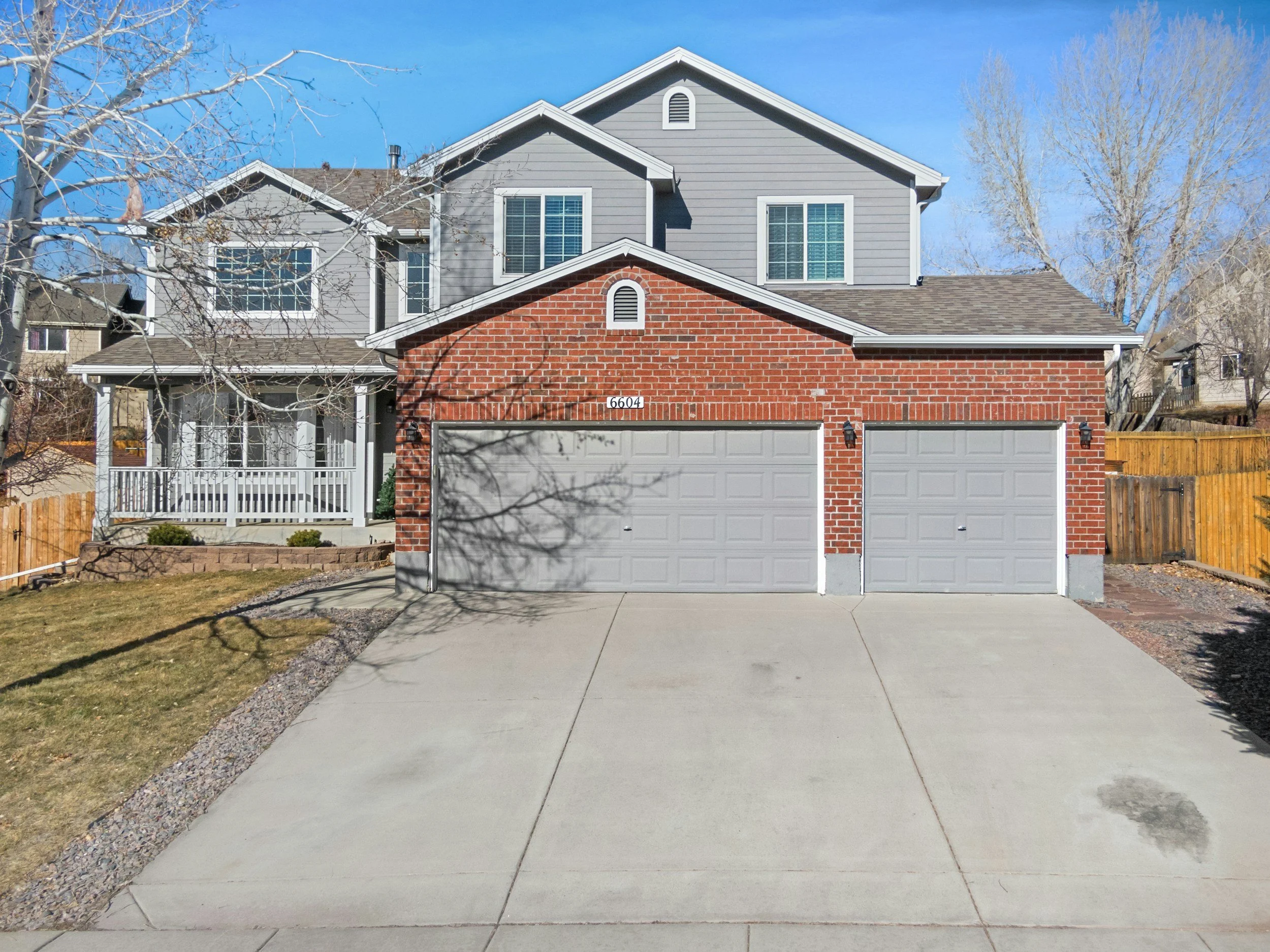
But there are a few things about a home that can have a significant impact on the cost and availability of insurance. Finding out about them before you buy can help you avoid surprises later.
1. How old is the roof?
The roof is one of the first things an insurance company may consider when evaluating a home. An older roof doesn't necessarily mean a home can't be insured, but its age and condition can affect your options. Depending on the insurance company and the age of the roof, coverage may also be different than you expect.
For example, some policies may pay the replacement cost of a damaged roof, while others may settle an older roof based on actual cash value (ACV), which takes depreciation into account. Before buying, find out:
How old is the roof?
What type of roofing material is it?
Has it ever been replaced?
Is there documentation showing when the work was completed?
A roof that “looks pretty good” isn't quite the same thing as knowing its age.
2. Have there been previous insurance claims on the home?
A prior claim doesn't automatically make a house a bad purchase, but it's useful information. Water damage, fire, hail, roof damage and other losses may tell you something about the home's history. More importantly, you'll want to know whether the problem that caused the loss was properly repaired. If there was a major water claim, for example, what caused it? Was the plumbing repaired? Was all the damaged material replaced?
The important question isn't simply “Has there ever been a claim?” It's also “What happened, and was the underlying problem corrected?”
3. How old are the plumbing, electrical and heating systems?
People naturally notice countertops and flooring during a showing. Insurance companies tend to be more interested in what's behind the walls. Older electrical systems, outdated wiring, aging plumbing, older furnaces and other systems can sometimes affect whether an insurance company is willing to insure a home or what improvements may be required.
This is particularly important when you're considering an older home. Ask about significant updates and, when possible, find out when the work was completed and who completed it.
4. Does the home have a basement or sump pump?

If the house has a basement, this is an important conversation. A standard homeowners policy doesn't necessarily cover every type of water damage. Water backing up through a sewer or drain, sump pump failure, groundwater and flooding can all be treated differently. Ask whether the home has:
A sump pump
A battery backup
A history of basement water
A sewer backup system
Drainage problems around the property
A finished basement can contain tens of thousands of dollars in flooring, drywall, furniture, electronics and personal belongings. It's worth understanding the potential water exposure before moving in.
5. Is the property in or near a flood-prone area?
Don't assume that homeowners insurance covers flooding. Generally, damage caused by rising surface water or flooding requires separate flood coverage. Even if a lender doesn't require flood insurance, that doesn't necessarily mean there is zero flood risk. If you have concerns about the property, investigate the area's flood history and determine whether separate flood insurance is worth considering.
6. Are there features on the property that could affect insurance?
That beautiful property may come with a few insurance considerations. Things such as a swimming pool, trampoline, wood-burning stove, detached building, acreage or other features can affect coverage or underwriting. None of these necessarily means you shouldn't buy the home. They simply need to be part of the insurance conversation.
This is also a good time to discuss liability coverage. If the property has features that increase the possibility of someone being injured, you may want to review your liability limits and consider whether an umbrella policy makes sense.
7. What will it actually cost to insure this house?
This may be the most important insurance question to ask before making your final decision. Don't assume the insurance premium will be similar to your current home, what the seller is paying, or what an online estimate suggests. Two houses with similar selling prices can have very different insurance premiums. Roof age, construction type, location, claims history, replacement cost, deductible options and numerous other factors can affect the price.
Get an insurance quote early enough in the buying process that you know what you're dealing with. A difference of $1,200 per year in homeowners insurance is another $100 per month that ultimately affects the cost of owning the home.
A Little Homework Can Prevent a Big Surprise

There are plenty of things to think about when buying a home, and insurance certainly shouldn't be the only factor in your decision but it should be one of them. A 15-minute conversation with your insurance agent before closing can uncover questions you may not have thought to ask. This will occasionally identify an issue while you still have time to address it.
At Bragg Insurance, we're happy to review a home you're considering and help you understand the insurance side of the purchase.
You find the house. We'll help you understand how to protect it.
Bragg Insurance Agency | Sheridan, Indiana
Coverage availability, terms and eligibility vary by insurance company and policy. This article is intended for general educational purposes. Please review your individual policy and coverage options with a licensed insurance professional.